Biodynamic Massage Therapy
What is biodynamic massage therapy?
Biodynamic massage is a touch treatment that supports emotional wellbeing and helps the body release stress and tension.
It is based on the idea that the body is always trying to attain balance. And it can process and clear stress remnants when given the right conditions. During the treatment, the autonomic nervous system is listened to and supported in its own natural movement towards equilibrium. Attentive touch may bring relief, clearing of the physical and emotional tension, a feeling of vitality and connection to oneself.
Biodynamic massage can be used as a standalone therapy or as a support to ongoing psychotherapy treatment.


How biodynamic massage supports the body?
The body carries the imprint of our life experiences. What matters is not only what happens to us, but how we respond. Some experiences support us. Others can be overwhelming and difficult to process. When they remain unresolved, the body continues to hold the charge.
This can keep the nervous system in a state of stress. It may show up as anxiety, restlessness, emotional numbness, difficulty relaxing, or a constant need to stay busy.
Biodynamic massage supports the processing of stress and tension. It creates conditions that support the person in integrating their experiences at their own pace. As tension softens, there is often a greater sense of connection, wellbeing, relaxation, lightness and pleasure.
What happens in a session?
A session begins with a simple check-in. This is a chance to share how you are feeling and what is present for you if you wish. There is no pressure to talk or explain anything.
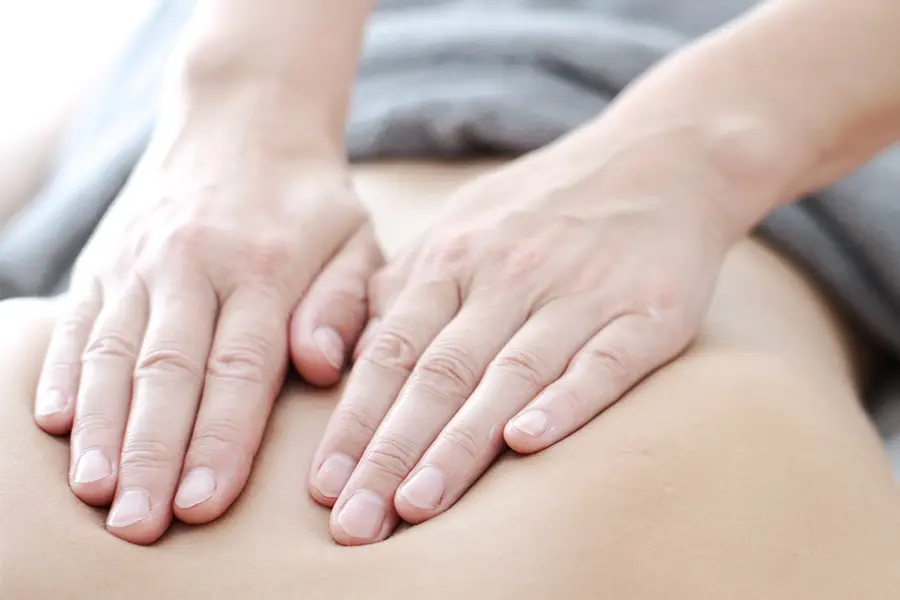
You remain comfortably covered during the session. Through touch, I sense and listen to what is happening in the body. I notice areas of tension, holding, openness and pulsation. I pay close attention to your body moment to moment. This helps me respond in a way that fits your unique needs. I may have intention to increase a sense of strength, communicate emotional support, or bring more vitality into the muscles. Each moment and person is unique and no treatment can ever be the same.

The role of the gut
Biodynamic massage pays close attention to the body’s own signals, especially through the digestive system – the second brain. Over a 100 million nerve cells live in the gut! Our thoughts, emotions and moods have an effect on it. During a session, I may place a microphone on your belly, amplifying the rumblings of the tummy. They are the language of the second brain. And they help me to understand how your nervous system is responding to touch.
In the mid-20th century, Gerda Boyesen, a Norwegian physiotherapist and psychologist noticed something important. When people began to release emotional tension, their gut often became more active. She heard soft gurgling sounds during treatment. She interpreted them as signs that the body was processing stress. Intrigued by this, she began using a stethoscope as a way to more closely follow the body’s responses. This became an important part of biodynamic work, guiding the therapist during treatment.
This work is for you if you experience:
- Chronic muscle tension or pain (neck, shoulders, back, jaw)
- Fatigue or low energy
- Anxiety, nervousness, or feeling “on edge”
- Stress, overwhelm, and burnout symptoms
- Difficulty relaxing or sleeping
- Feeling like talking about your experiences isn’t enough to bring relief
- A desire for deeper rest and integration
- A preference for a therapeutic approach that is soothing, respectful, and attuned to the body’s own intelligence
- A curiosity to learn more about yourself
- A wish to have a better quality of life
How it works
Biodynamic massage
The first step is to book an introductory call. We can discuss your situation and get to know each other a little more. We can make sure that I am the right therapist for you and that you feel comfortable in booking an in-person session.
Face-to-face session
I offer face-to-face therapy sessions in Lichfield and Birmingham.
£55 per session in Lichfield
£65 per session in Birmingham
I offer a number of reduced rate spaces, please enquire.
Book your initial consultation
It’s natural to have some questions before starting therapy
I answered the most common questions below, but if you can’t find the answer you’re looking for, get in touch via email: therapywithmelita@gmail.com